Will My Orlando Roof Survive Hurricane Season This Year? Here Is How to Know Before June.
What Hurricane Season Actually Does to Orlando Roofs
Wind uplift on shingles
Sustained winds above 50 miles per hour create uplift pressure under shingle edges. Shingles that are already curling, improperly fastened, or past their adhesive life are the first to go. Once even a few shingles lift, the exposed underlayment tears within minutes and water entry begins immediately.
Flying debris impact
Orlando’s tree canopy is one of the densest in Florida. Branches, palm fronds, and debris become projectiles in tropical storm conditions. Impact damage to shingles, flashing, and skylights is one of the most common post-storm insurance claims across Central Florida.
Sustained heavy rain on compromised areas
A roof that handles a standard Florida afternoon storm without issue can fail under six to twelve hours of sustained hurricane rain. Any existing weakness, a loose flashing joint, a patched area, or a soft deck section becomes an active leak under that sustained pressure.
Flat roof membrane stress
Low-slope and flat sections take the worst of wind-driven rain. Water has nowhere to run during a sustained storm and pushes against every seam and edge. A flat section that is already blistering or has separated seams will not survive a direct wind event.
Five Questions to Ask Yourself About Your Orlando Roof Right Now
You do not need a contractor to do a first-pass assessment. Answer these five questions honestly and you will have a clear picture of where you stand.
1. How old is your roof?
Under 10 years: low risk if no known damage. 10 to 15 years: moderate risk, inspection recommended. Over 15 years: high risk, inspection is essential before June. Florida’s climate ages roofs faster than the national average. A 15-year-old Orlando roof has experienced more UV, heat cycles, and storm events than a 20-year-old roof in a northern state.
2. Have you had any leaks in the last two years?
Any leak, even one that was repaired, is a signal that the roof has a vulnerability. Whether that repair held and whether it addressed the root cause rather than the symptom is something only a physical inspection can confirm.
3. Can you see any shingles that are curling, cracked, or missing from the ground?
Visible shingle damage from ground level means the damage is significant. Problems that are not visible from the ground, granule loss, deck moisture, underlayment failure, are equally serious and require getting on the roof to find.
4. Has your roof ever been professionally inspected?
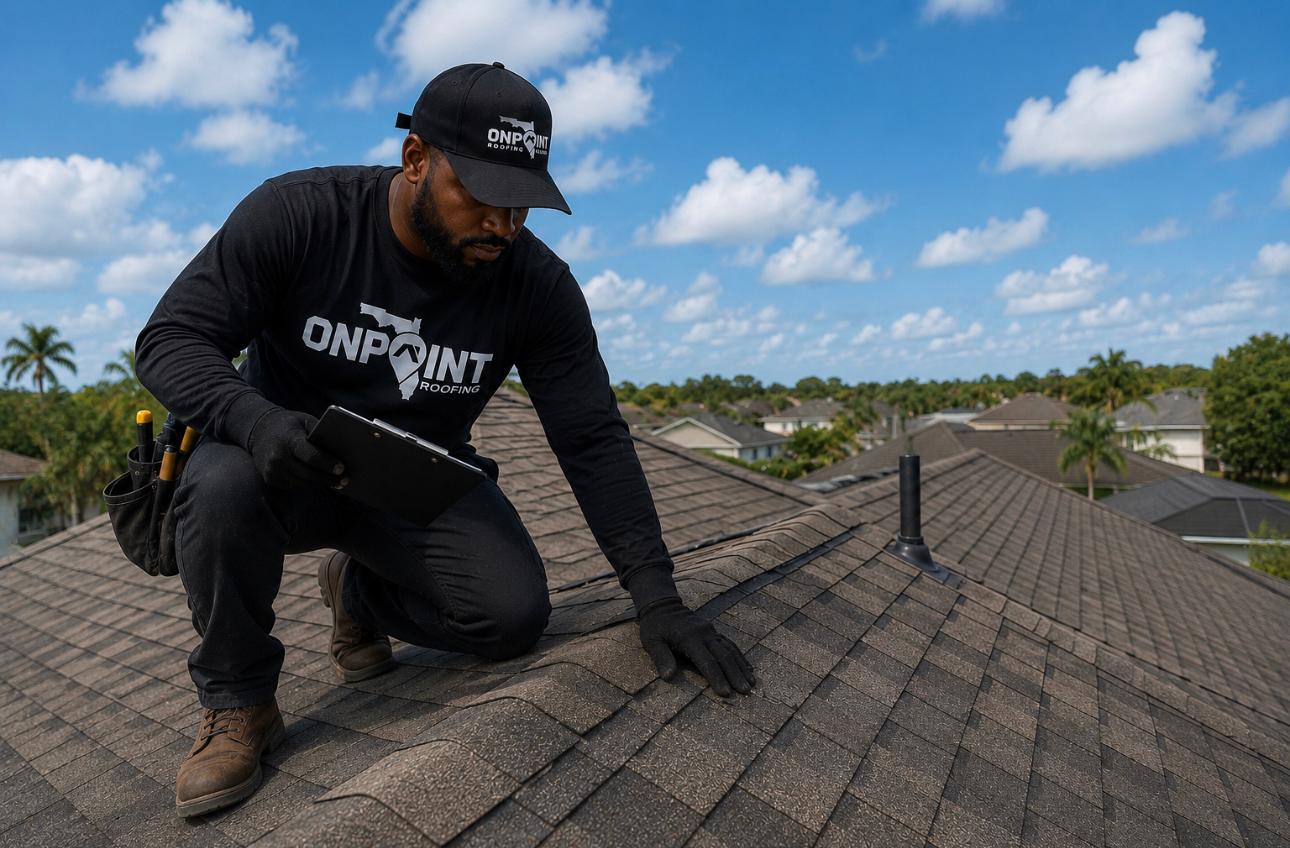
If the answer is no, or if the last inspection was over three years ago, you are making a hurricane season decision without current information. A free inspection before June costs you nothing and gives you a documented baseline.
5. Do you have a flat or low-slope section on your home?
Garages, rear additions, and sunroom extensions are commonly flat-roofed in Orlando. If that section has not been assessed recently, it is the most likely failure point in a storm event.
What Wind Rating Does Your Orlando Roof Actually Need
Florida Building Code requires roofs in Central Florida to meet specific wind resistance standards. Here is what that means in practical terms for your home:
Orange, Osceola, and Seminole counties. fall within the 130 mile per hour wind speed design zone under current Florida Building Code. Any roof replacement done after 2007 should meet this standard if it was permitted and installed correctly.
Six nail fastening pattern. Current Florida code requires six nails per shingle rather than the older four nail standard. Roofs installed before 2007 or by unlicensed contractors may not meet this. The difference in wind uplift resistance between four and six nails is significant. A licensed inspection verifies which standard your roof was installed to.
Secondary water barrier. Roofs replaced after 2008 in Florida are required to have a secondary water barrier under the shingles that prevents water intrusion even if shingles are lost. Older roofs do not have this layer, which means shingle loss in a storm leads directly to interior water damage.
What to Do Based on Where Your Roof Stands
Your roof is under 10 years old with no known issues
Schedule a free inspection for documentation purposes. A clean inspection report is useful both for insurance purposes and as a pre-storm baseline. Outside of that, your roof is likely in good shape for the season.
Your roof is 10 to 15 years old or has had a previous repair
Get a professional inspection before May. If the inspection identifies isolated issues, a targeted roof repair before hurricane season is the right call. Addressing known vulnerabilities before a storm costs a fraction of what the same damage costs after one.
Your roof is over 15 years old
You need a full inspection and an honest conversation about roof replacement before hurricane season. A roof at or past its expected service life in Florida is a genuine risk in a tropical storm event. Replacing it before June means you go into storm season with a full warranty, current code compliance, and a secondary water barrier. Waiting until after a storm means emergency pricing, supply shortages, and potential interior damage that your insurance may not fully cover.
You have a flat or low-slope section that has leaked before
Your flat section needs its own assessment independent of the pitched roof. If the existing membrane is aging or has had repeated issues, TPO roofing before hurricane season is the right solution. A properly installed TPO membrane handles sustained wind-driven rain far better than older flat roof materials.
What If the Damage Happened Overnight and Cannot Wait
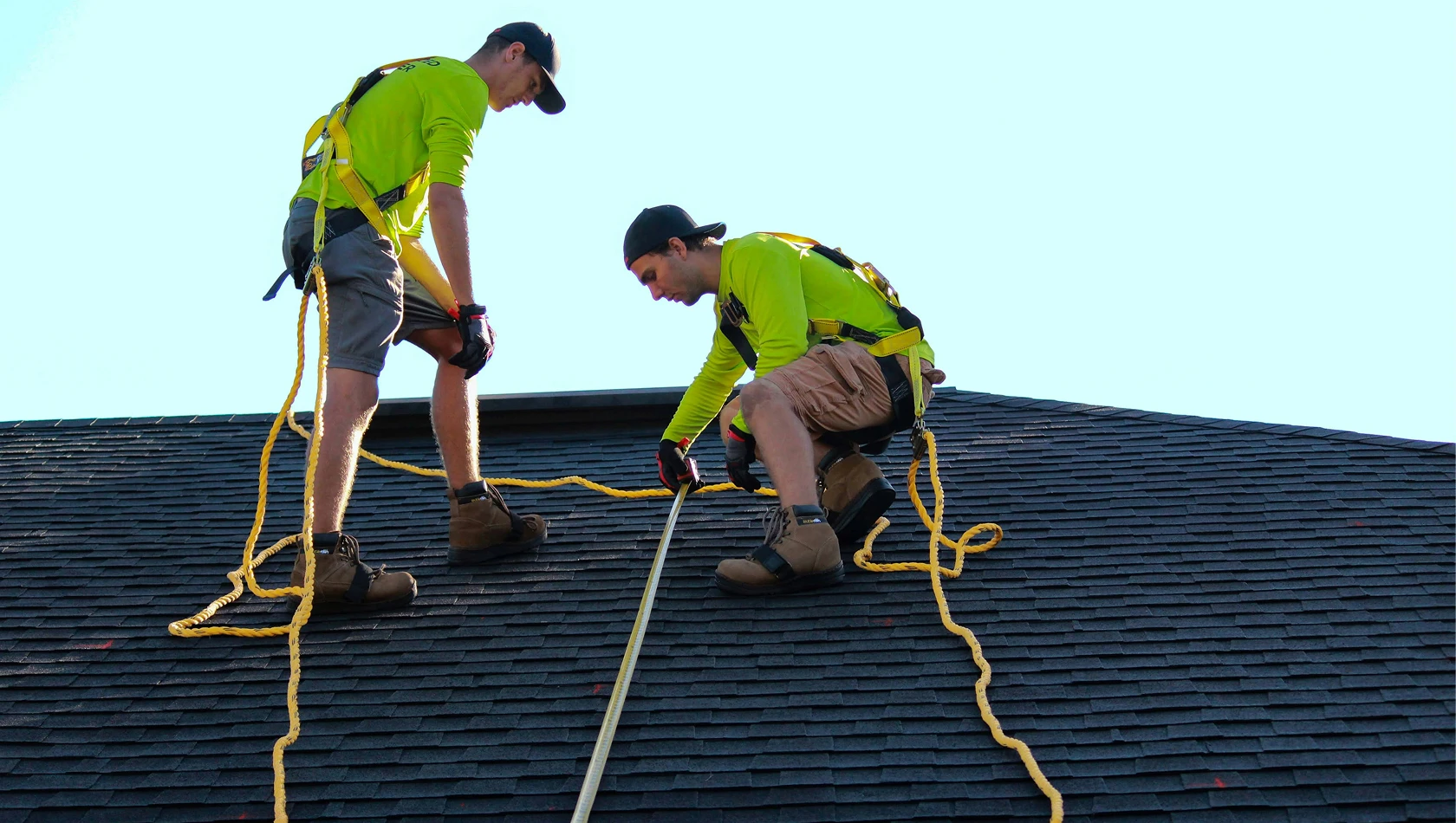
Storm damage, fallen branches, or a sudden leak that is actively getting worse does not give you time to compare bids. In those situations, stopping the immediate damage comes first. OnPoint Roofing offers emergency roof repair in Orlando that stabilizes your roof fast with tarping and emergency patching, documented with photos so your insurance claim has a clear record of pre-repair condition. The full repair versus replacement decision comes after the emergency is handled.
What If the Leak Is on a Flat Roof Section
Flat and low-slope roofs follow different rules than pitched shingle roofs. The repair versus replacement decision on a flat section depends heavily on the membrane material and its age. If your flat section has TPO roofing that is under 15 years old, localized
repairs are often viable. Older modified bitumen or built-up roofing that keeps leaking is almost always better replaced with a proper TPO system than patched again
The Insurance Reason to Act Before June
This is the part most Orlando homeowners do not find out until it is too late.
Florida homeowner insurance policies have a moratorium provision that prevents changes, additions, or new policy binding once a named storm enters a defined geographic radius of your home. That radius is typically 100 to 150 miles depending on
the insurer. Once that trigger is hit, you cannot add coverage, switch providers, or make changes to your existing policy until the storm has passed.
What this means practically: if your roof has pre-existing damage when a storm hits and you did not document it beforehand, your claim is vulnerable. Insurance adjusters are trained to identify pre-existing wear and separate it from storm damage. A documented inspection before hurricane season creates a clear record of your roof’s pre-storm condition. That record protects your claim.
Additionally, some Florida insurers now require a roof inspection report as part of the renewal process for roofs over a certain age. Getting ahead of that requirement before renewal season avoids a situation where your coverage is in question right as storm season begins.
Questions Orlando Homeowners Are Asking About Hurricane Season Roof Prep
If you experience active damage before or during storm season, our emergency roof repair team in Orlando responds fast to stop damage before it spreads.
Get Your Orlando Roof Ready for Hurricane Season Before the Rush Starts
March and April are the window. OnPoint Roofing offers free inspections across Orlando and Central Florida with written reports, photo documentation, and honest recommendations. No pressure, no invented problems. Just a clear picture of where your roof stands before June.