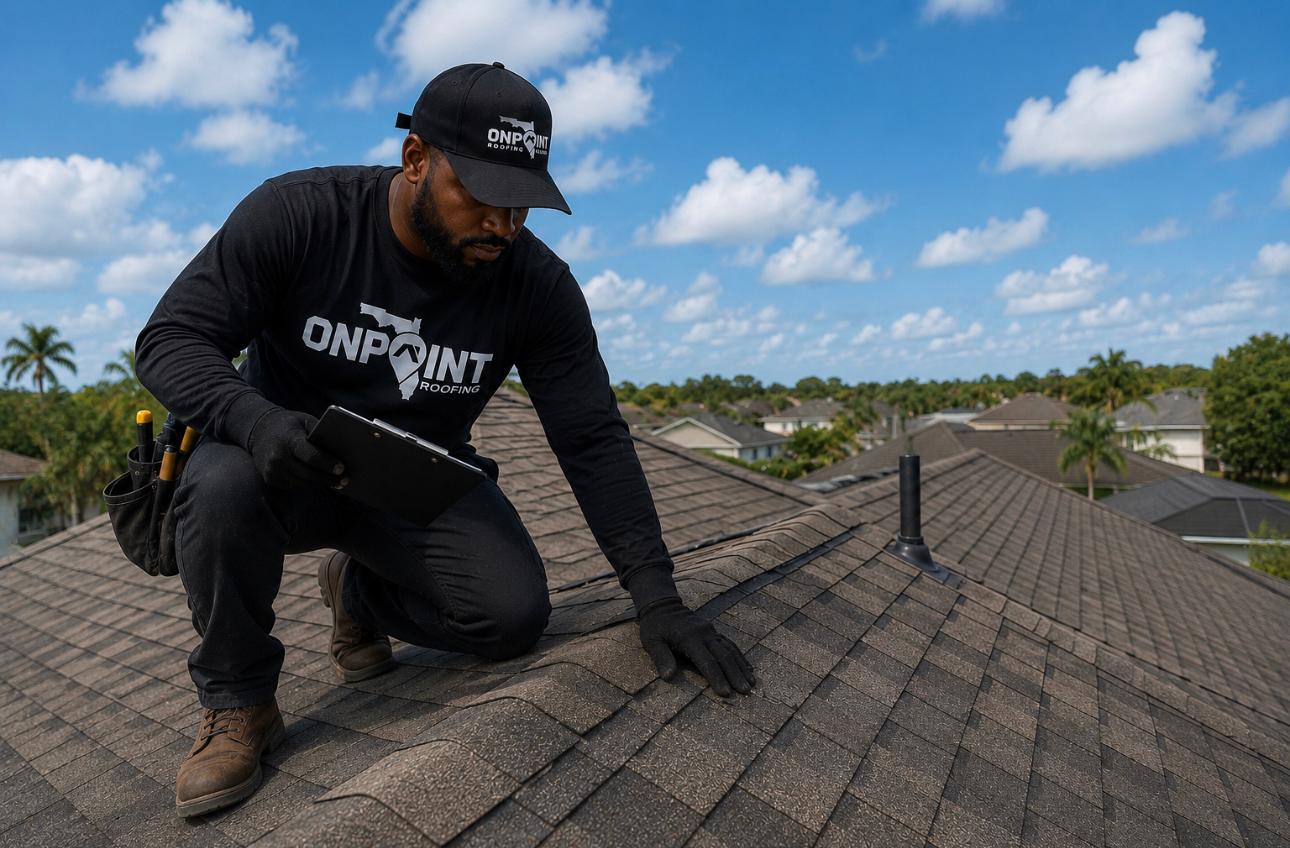
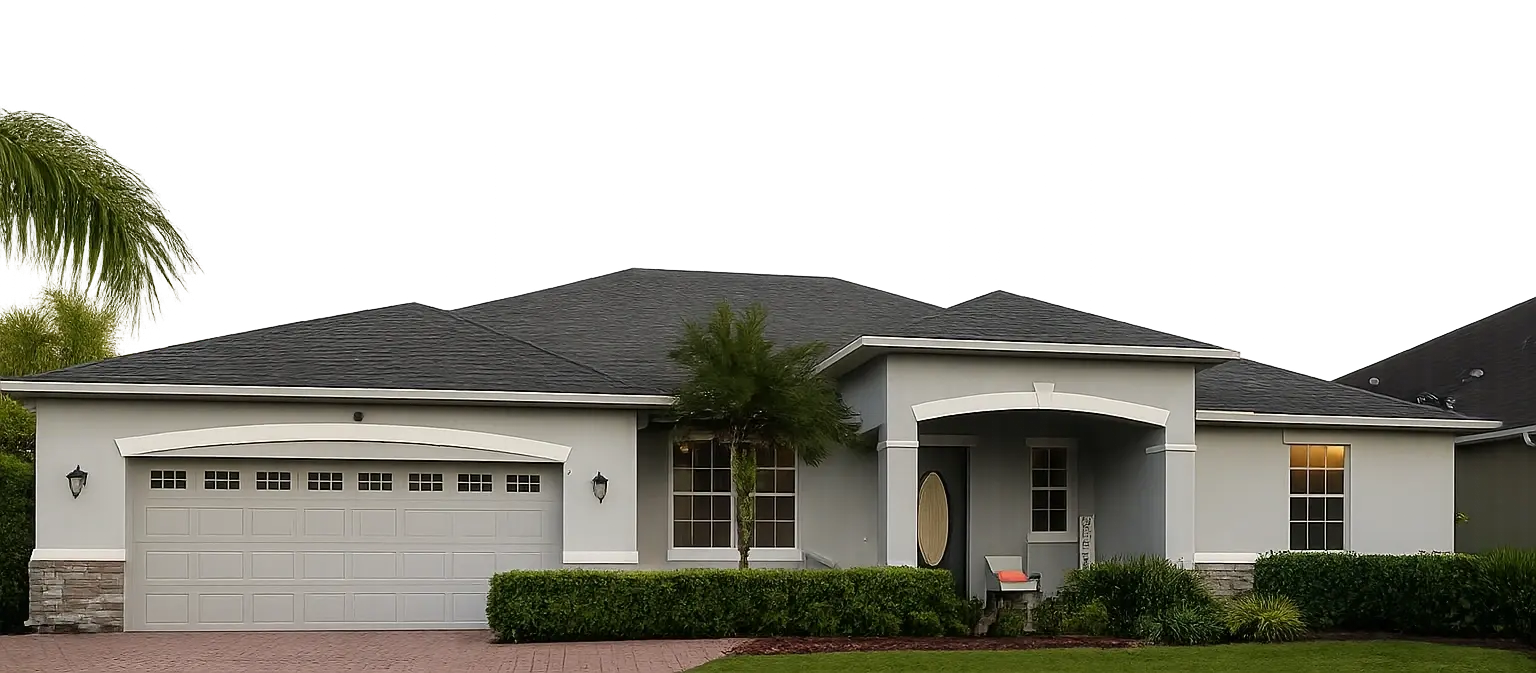
I Asked a Roofer to Inspect My Orlando Home Before Hurricane Season. Here Is What They Actually Found.
Why Orlando Homeowners Should Get a Roof Inspection Before Hurricane Season (Not After)
A documented inspection before hurricane season creates a baseline record of your roof’s condition. That documentation protects you when you file a claim later.
Orlando’s hurricane season runs June 1 through November 30. The smartest window to book a free roof inspection is right now, between February and April, before scheduling fills up and before storm prep season starts for contractors.
What a Professional Roof Inspection in Orlando Actually Covers
Shingle condition and granule loss
We check every section of the roof for cracked, curling, blistering, or missing shingles. We also look at granule buildup in your gutters. In Florida’s heat, shingles lose granules faster than in other states. Once granule loss is significant, the shingle has lost most of its UV and water protection.
Flashing around all penetrations
Flashing is the metal seal around chimneys, vents, skylights, and roof edges. It is one of the most common entry points for water in Orlando homes. We check every flashing joint for separation, rust, or improper sealing.
Roof deck integrity
We check for soft spots, sagging, or areas where the decking has absorbed moisture. Deck damage is invisible from the street but is often the most expensive part of a roof failure to fix.
Underlayment and membrane condition
Underneath your shingles is a layer of protective membrane. If that layer is compromised, your shingles are essentially decorative. This is especially relevant for older Orlando roofs that used felt paper rather than modern synthetic underlayment.
Gutter and drainage assessment
Standing water on a flat section or slow drainage near fascia boards is a sign of improper slope or blocked drainage. In a heavy Florida rainstorm, that water has nowhere to go except under your roofline.
Attic inspection for moisture and ventilation
We go into the attic when accessible. Moisture staining on rafters, insulation that smells musty, or black spots on the decking underside all indicate active or previous water intrusion that is not visible from above.
Wind resistance and fastener check
Florida Building Code requires specific fastener patterns for wind resistance. We verify that the visible fastener pattern on your roof meets current standards. Older installations sometimes used four nails per shingle rather than the now-required six, which dramatically reduces wind uplift resistance.
What Orlando Homeowners Are Usually Surprised to Find During a Roof Inspection
After inspecting hundreds of Orlando roofs, here are the findings that catch homeowners off guard most often:
Previous repairs that were done incorrectly. We regularly find caulk-over-caulk repairs, mismatched shingles nailed over damaged ones, or flashing that was bent back into place rather than replaced. These are cosmetic fixes that did not address the underlying issue.
Roof age that does not match what the homeowner was told. Buyers are sometimes told a roof was replaced five years ago. When we inspect, we find a roof that is clearly older based on shingle style, manufacturer markings, and wear patterns. If you bought your Orlando home in the last few years, an independent inspection is worth doing regardless of what the seller disclosed.
Flat roof sections that need TPO attention. Many Orlando homes have a flat or low-slope section over a garage, addition, or back patio. These sections require a different roofing system entirely. We often find TPO roofing that is blistering, seam-separated, or improperly installed on flat sections that homeowners had no idea about.
Active mold or wood rot in the attic. Florida’s humidity creates the perfect environment for mold growth in an improperly ventilated attic. Many homeowners have never been up there. A roof inspection that includes an attic check regularly uncovers mold that has been growing for years undetected.
After the Inspection: Repair, Replace, or Do Nothing?
This is always the honest conversation we have with every Orlando homeowner after the inspection. There are three outcomes:
Your roof is in good shape. We tell you that. No upselling, no invented problems. You get a written report documenting the condition, which is useful if you ever need to file an insurance claim or sell the home.
Targeted repairs are needed. If damage is isolated to one area, a flashing joint, a few shingles, or a single penetration seal, we will quote a roof repair that addresses it before storm season. Small repairs done now are far cheaper than the same area after a hurricane has exploited it.
Full replacement is the right call. If the roof is over 15 years old with widespread granule loss, deck damage, or multiple failure points, we will tell you clearly that repairs are not going to hold through hurricane season. A full roof replacement before June is almost always cheaper, less stressful, and better for your insurance standing than an emergency replacement in August.
Questions Orlando Homeowners Ask About Roof Inspections
If your inspection reveals an active situation that cannot wait, learn more about our emergency roof repair service in Orlando and how quickly our team can respond.
Book Your Free Orlando Roof Inspection Before Hurricane Season Fills Up
February through April is the best time to get ahead of storm season in Orlando. Once May arrives, roofing contractors are booked out and material lead times stretch. OnPoint Roofing offers free, no-pressure inspections for Orlando homeowners with a written report, photo documentation, and an honest assessment.