

Flat Roofing
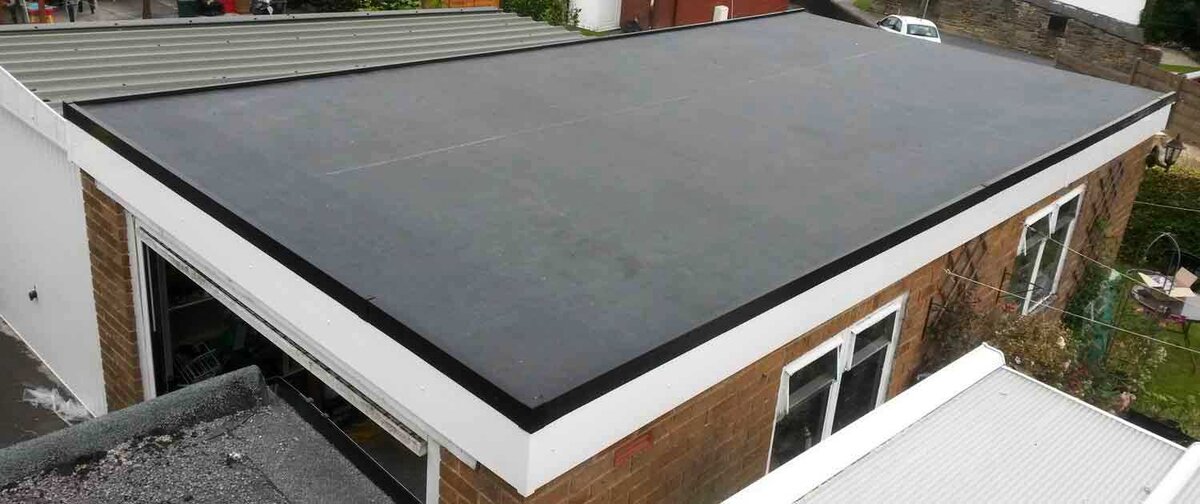
Flat Roofing Orlando | Expert Solutions for Homes & Businesses
If you’ve spent any time in Orlando during a July afternoon, you’ve seen the “wall of water” that falls from the sky. For owners of flat-roofed properties, that sight often comes with a side of anxiety.
Whether you manage a massive industrial warehouse near MCO Airport or you’ve just added a stunning modern sunroom to your home in Winter Park, the question is the same: Is my roof actually waterproof?
At OnPoint Roofing LLC, we believe a flat roof shouldn’t be a gamble. It should be a high-performance, energy-efficient asset. As the leading experts in Flat Roofing in Orlando that homeowners and business owners trust, we specialize in advanced membrane systems. We turn “problem roofs” into watertight shields. In this guide, we’ll break down the best materials for our climate, how to stop leaks before they start, and why a flat roof-when done right-is one of the smartest investments you can make in Florida.
The Reality of Flat Roofing in Central Florida’s Climate
In many parts of the country, a flat roof is a simple choice for how a building looks. In Orlando, it is a technical challenge. We deal with what we call the “Triple Threat”:
- Extreme UV Bombardment: The sun “cooks” roof membranes, making them brittle and prone to cracking.
- High Humidity: Moisture trapped under a roof can cause wood rot and mold in your attic or ceiling before you ever see a drip.
- Torrential Rain: Our storms dump inches of water in minutes. This tests every single seam and drain on your building.
Why “Flat” is a Misnomer: The Physics of Proper Slopes
Here is a “pro tip” from our lead inspectors: No roof should ever be perfectly flat. Even a roof that looks level must have a “pitch” or a slight slope. In the industry, we call these low-slope roofs. If your roof doesn’t have at least a 1/4-inch slope for every foot of length, water won’t move toward the drains. This leads to “ponding,” where water sits and “cooks” your roofing material under the 100°F Florida sun. This eventually breaks down the chemicals in the roof and causes a leak.
When we install a roof, we use laser levels to make sure the water has a clear path to get off your building as fast as possible.
Residential Flat Roofing: Style Meets High-Performance Protection
For a long time, flat roofs were only for big box stores. But as modern architecture grows in neighborhoods like College Park and Winter Park, residential flat roofing is exploding in popularity. Many people are moving away from traditional shingles for their modern builds or home additions.
TPO for Modern Homes and Additions
If you have a home with a modern look or a low-slope porch addition, TPO (Thermoplastic Polyolefin) is the gold standard.
- The Look: It’s a clean, white, or light grey sheet that looks sharp and modern.
- The Benefit: It’s a “Cool Roof.” It reflects the sun, keeping that bedroom or sunroom significantly cooler than traditional asphalt.
Bridging the Gap: How We Connect Flat Roofs to Your Main House
One of our specialties is the “transition.” This is where your flat roof (on a porch or garage) meets the sloped shingle or tile roof of your main house.
Most leaks happen here because water “backs up” and goes under the shingles. At OnPoint Roofing LLC, we use custom-made metal flashing. We “tuck” the flat membrane high under the existing roof to create a seamless, uphill barrier. It’s like a waterproof tuck-in that keeps the wind from blowing rain into your walls.
Commercial Flat Roofing: Protecting Your Business Assets
For our commercial clients — from retail strips in Dr. Phillips to distribution centers in Winter Garden — the roof is an overhead expense. A dark, failing flat roof can increase your cooling costs by 30% and risk damaging thousands of dollars in inventory.
Saving Money with Reflective “Cool Roof” Technology
A white TPO or PVC membrane is a financial tool. By reflecting up to 80% of the sun’s heat, you take a massive load off your building’s HVAC systems. Many of our commercial clients see the roof pay for itself in energy savings within 10–12 years. In the Orlando heat, a “Cool Roof” can stay 50°F to 60°F cooler than a dark roof.
Industrial Strength: TPO, PVC, and Modified Bitumen
- PVC Roofing: If you run a restaurant or a facility with grease exhausts, PVC is the answer. It’s highly resistant to chemicals and fats that would actually melt a standard TPO roof.
- Modified Bitumen: For roofs that see high foot traffic (like those with heavy AC maintenance needs), “Mod-Bit” is very tough. It uses multiple layers of protection that are hard to puncture.
The “Big Three” Flat Roof Systems Compared
TPO Roofing: The “Cool Roof” Champion
TPO is the most popular choice in Orlando today. It is a big, white, rubber-like sheet.
- Why it wins: Because it is bright white, it reflects the sun like a mirror. This keeps your building much cooler and saves you money on your power bill.
- The Seams: We use a hot-air tool to melt the edges together. Once it cools, it is one solid piece of waterproof skin.
PVC Roofing: The Heavy-Duty Choice
PVC looks a lot like TPO, but it is built a little differently. It is usually found on restaurants or chemical plants.
- Why it wins: PVC is very tough against grease and oils. If you have a kitchen exhaust fan on your roof, TPO might melt from the grease, but PVC won’t.
- The Cost: It costs more than TPO, but it lasts a very long time and is very hard to rip.
Modified Bitumen: The “Old School” Powerhouse
This is a modern version of the old “tar and gravel” roofs. It is made of asphalt but has rubber added to it so it stays flexible.
- Why it wins: It is very thick and is usually put down in two or three layers. This makes it very hard for a falling branch or a heavy boot to poke a hole in it.
- The Trade-off: Since it is usually a darker color, it soaks up more heat than TPO. It is great for roofs where people walk a lot, but it won’t save you as much on your AC bill.
Expert Tip: If you have a flat-roof porch on your house, TPO is almost always the best move. It keeps that room from feeling like an oven in the summer!
Solving the “Ponding Water” Crisis: How We Fix Standing Water
If you see a puddle on your roof 48 hours after a storm, you have a crisis in the making. At OnPoint Roofing LLC, we don’t just “patch” ponding areas with more glue. We use Tapered Insulation Systems.
We install custom-cut foam panels that are thicker on one side than the other. This effectively “re-slopes” your roof from the top down. It ensures that every drop of Orlando rain moves toward your scuppers and downspouts. It’s the difference between a roof that lasts 10 years and one that lasts 30.
Maintenance & Restoration: Making Your Flat Roof Last 30 Years
You don’t always need a whole new roof. If your roof is structurally sound but leaking at the seams, we often recommend a High-Solids Silicone Coating.
- Seamless Protection: It’s a liquid rubber shield that eliminates every single seam on your roof. No seams means no leaks.
- Cost-Effective: It’s usually about half the cost of a full replacement.
- Sustainability: It keeps the old roofing material out of the Central Florida landfills, which is better for our local environment.
Frequently Asked Questions (FAQ)
Is a flat roof a bad idea in Orlando because of the rain?
Not at all! As long as the drainage is designed correctly and the seams are heat-welded, a flat roof is just as waterproof as a sloped shingle roof.
Can I walk on my flat roof?
Walking on it once in a while for maintenance is fine. If you want a “roof deck” for parties, we need to install a special thick membrane or “walkway pads” to protect the surface from shoes.
What is TPO roofing?
TPO (Thermoplastic Polyolefin) is a single-ply, white reflective sheet. It is the most popular choice for Florida flat roofs because it keeps the building so cool.
How long does it take to replace a flat roof?
For a small home addition, usually 1–2 days. For a large warehouse, it can take 1–2 weeks depending on the size.
Why is my flat roof leaking at the edges?
This is often a “drip edge” failure. If the metal at the edge isn’t sealed perfectly to the membrane, water will find its way into the wood boards behind it.
Can you put a new flat roof over my old one?
Often, yes. This is called a “recover.” If your old roof is dry and has only one layer, we can save you money by installing the new roof right on top.
Does a white roof really lower my electric bill?
Yes. A white “Cool Roof” can stay significantly cooler than a dark roof, which means your AC doesn’t have to work as hard to keep you comfortable.
What is a “scupper” vs. a drain?
A drain is a hole in the roof that goes down through the building. A scupper is an opening in the side wall that lets water pour off the side of the building. We can install both!
How do I know if I need a repair or a replacement?
If you have leaks in many different spots, it’s likely time for a replacement. If you just have one broken seam, our team can usually weld it shut.
Secure Your Investment with OnPoint Roofing LLC
Whether you are protecting your family in a modern home or your employees in a commercial building, your flat roof should not be a source of worry. It should be a quiet, efficient shield. At OnPoint Roofing LLC, we combine technical “know-how” with a commitment to our Orlando neighbors.
Get Your Free Consultation or call us today at 321-666-5819 to speak with a specialist about the best roof for your property!